

How to inject peptides at home, step by step
Prescription peptides for home use are injected just under the skin, in the belly, the thigh, the back of the arm or the upper buttock. Where to inject, the steps, how to rotate sites, and what to do with the needle afterward.

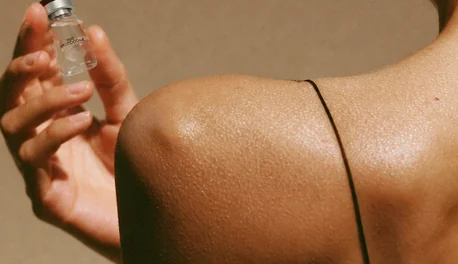
Prescription peptides for home use are usually injected just under the skin, into the soft layer of fat in the belly, the thigh, the back of the upper arm or the upper buttock. Each time, you wash your hands, clean the skin, draw the amount your prescription specifies, inject, and put the used needle straight into a sharps container. Your pharmacy's instructions come first. This guide walks through the same steps in plain words, so nothing about the first time feels like guesswork.
Prefer to watch? Our video guide walks through the injection on video, step by step. New to peptides? Start with what peptides are.
Where do you inject peptides?
Into the fat just under the skin, not into muscle. Four places work well, and your prescriber will tell you which to use.
| Site | Where exactly | Good to know |
|---|---|---|
| The belly | The soft area a few inches away from your belly button, below the ribs and above the hip bones | Often the easiest place to see and reach, but not for everyone |
| The thigh | The outer side of the upper thigh, between hip and knee | Sitting down makes it easier |
| The back of the upper arm | The fleshy area at the back of the arm, between shoulder and elbow | Easier with someone's help |
| The upper buttock | The upper, outer part of the buttock, around where love handles sit, where there's a soft layer of fat under the skin, not the muscle | Dr. Ali's pick for a first injection. A mirror or someone's help makes it easier |
Skip any skin that's bruised, tender, scarred, red or swollen, and move to a different spot.
Dr. Humaira Ali has a clear favorite for a first injection.
"The upper glute, the love handles. Most people have enough fat there, and fat is where you want it, not muscle. It bruises less than the arm or the belly, too. And if you're under 120 pounds, skip the belly altogether."
What you need
Your prescription ships with an injection guide, needles and alcohol wipes. Beyond that, you want a sharps container, clean gauze or a cotton ball, and a clean, well-lit surface to work on.
Protocole vials arrive ready to use, with nothing to mix. Store your prescription exactly as the pharmacy label says. If anything you've read disagrees with the label, follow the label and ask the pharmacy.
How do you inject peptides, step by step?
Set everything out first. If you'd like to see it done before you try, the video guide shows each step.
- Wash your hands with soap and water, and dry them.
- Check the label: your name, the medication, and the date to use it by. If anything doesn't match what you expect, stop and call the pharmacy.
- Wipe the top of the vial with an alcohol swab. Clean the skin where you'll inject with a fresh swab, starting at the spot and circling outward, and let it dry.
- Push the needle through the rubber top, then turn the vial upside down and keep the needle tip in the liquid, so you draw up the full dose and not air. Pull the plunger back to the amount your prescription specifies. If you're unsure of the amount or how to read the syringe, stop and ask before you inject.
- Check the syringe for air bubbles. Tap it so they rise to the top, then push them gently back into the vial and check the amount again.
- Gently pinch a fold of skin and insert the needle straight in, at a 90-degree angle.
- Press the plunger slowly and steadily until the syringe is empty, then pull the needle straight out.
- If there's a drop of blood, press lightly with clean gauze or a cotton ball. Don't rub.
- Put the needle and syringe straight into the sharps container. Don't recap it.
- Note which spot you used, so next time you can move to another one.
Use a new needle and syringe every time, and never share them with anyone.
Two mistakes come up more than any other, in Dr. Ali's experience.
"Picking the wrong spot, which is the bigger one, and bending the needle by drifting sideways as you inject. If the needle bends, stop and start again with a new one."
How do you rotate injection sites?
Move around. Within a site, keep each injection at least an inch from the last one, and move between the belly, the thigh, the arm and the buttock as your prescriber suggests. The spot you used last time gets a rest, and you avoid injecting into skin that's still tender. A note on your phone, or a simple pattern like clockwise around the belly button, is enough to keep track.
Nervous about your first injection?
Most people are, and Dr. Ali doesn't try to talk anyone out of it.
"Good. You should be nervous. This is a serious thing, and the answer to nerves is technique: wash your hands, set out your supplies, then just inject. Do it properly and there's no reason to be nervous. It gets easier every time."
Set everything out, sit somewhere comfortable, and give yourself time. The first one takes a few minutes and the next one takes less.
What should you ask your prescriber before your first injection?
This page is a companion to your prescriber's instructions, not a replacement. Before the first injection, make sure you have answers to:
- How much do I draw, and how do I read my syringe?
- Which sites should I use?
- How should I store it, and when should I stop using a vial?
- What's normal afterward, and what should I call you about?
- Who do I contact if I'm unsure about anything, and how?
At The Protocole, those questions go to your care team.
How do you get rid of used needles?
A used needle goes straight into a sharps disposal container. FDA-cleared containers are sold at pharmacies and online, and if you don't have one yet, FDA says a heavy-duty household container with a tight lid, such as a laundry detergent bottle, can stand in. Never put loose needles in household trash or recycling, and never flush them. Don't overfill the container: when it's about three-quarters full, follow your community's rules for disposing of it, which vary by where you live. Keep it out of reach of children and pets.
Important safety information
Some soreness where you injected is expected. Dr. Ali's description of normal is short.
"A bit of a sting, maybe a small bump, maybe a little redness. Real bleeding or swelling isn't normal. Most of my patients feel nothing at all."
Here's what else you might notice, and what to do about it.
| What you might notice | What to do |
|---|---|
| A little redness, tenderness, a small bump or a drop of blood where you injected | This can happen where you inject. Keep an eye on it. If it spreads or gets worse, see the next row. |
| A welt or a rash around the site, redness that's still there a day or two later, or redness, swelling or pain that spreads, with warmth, pus, red streaks or a fever | These can be signs of a reaction or an infection. Call your prescriber the same day. If you can't reach them, get urgent care. |
| Trouble breathing or wheezing, swelling of the face, lips, tongue or throat, a racing heartbeat, feeling faint, or a rash that spreads fast | Call 911. |
If you're unsure about the amount, the timing or anything else about your prescription, call your prescriber before you inject.
Common questions
Can peptides be injected into a muscle instead? Only if your prescription says so. Your label says how your medication is given, and this guide covers injections under the skin.
What size needle should you use? The one your prescription specifies. Needles for injecting under the skin are short and thin.
How often, and how much? Your prescriber sets both, and they're on your label. If you miss one or aren't sure, call your prescriber rather than guessing.
Can someone else give you the injection? Yes, if your prescriber agrees. Whoever gives it follows the same steps and your prescription's instructions.
Keep reading
Reviewed by Dr. Humaira Ali, board-certified in Emergency Medicine and EMS on 2026-10-28. Regulatory status as of 2026-10-27. General education, not medical advice. Always follow your prescriber's instructions.
Telehealth services for members of The Protocole are provided by Arora Health & Aesthetics, LLC, an independent medical practice, through licensed healthcare providers in the states where they are authorized to practice. [counsel confirm]
Compounded medications are not FDA-approved. Report side effects to your prescriber and to FDA MedWatch.
Dr. Humaira Ali
Dr. Humaira Ali is a board-certified physician in Emergency Medicine and Emergency Medical Services and a former Columbia University faculty member. Interviewed October 27, 2026.
The Protocole editorial team
Written and edited by The Protocole editorial team.
Sources
- MedlinePlus (U.S. National Library of Medicine), Subcutaneous (SQ) injections, review date 2025-10-19. https://medlineplus.gov/ency/patientinstructions/000430.htm
- MedlinePlus (U.S. National Library of Medicine), Drawing medicine out of a vial, review date 2026-01-14. https://medlineplus.gov/ency/patientinstructions/000530.htm
- FDA, Safely Using Sharps (Needles and Syringes) at Home, at Work and on Travel, content current as of 2021-11-19. https://www.fda.gov/medical-devices/consumer-products/safely-using-sharps-needles-and-syringes-home-work-and-travel
- FDA, Best Way to Get Rid of Used Needles and Other Sharps, content current as of 2023-08-10. https://www.fda.gov/medical-devices/safely-using-sharps-needles-and-syringes-home-work-and-travel/best-way-get-rid-used-needles-and-other-sharps
- CDC, Preventing Unsafe Injection Practices (one-time use of needles and syringes), dated 2024-03-26. https://www.cdc.gov/injection-safety/hcp/clinical-safety
- FDA, Human Drug Compounding, content current as of 2026-06-15. https://www.fda.gov/drugs/guidance-compliance-regulatory-information/human-drug-compounding
- FDA, MedWatch: The FDA Safety Information and Adverse Event Reporting Program, content current as of 2026-10-21. https://www.fda.gov/safety/medwatch-fda-safety-information-and-adverse-event-reporting-program



 Text support